???????? ???????????? ???????????????????????? ???????????????????????????????????? ???????? ????????????????????, ???????????????????? ???????????????????????????????? ???????????????????? ???????????????????????????? ???????????????? ???????????????????????????????????? ???????????? ????????????????????????????????????, ???? ???????????????????????????????? ???????????????????? ???????? ???????????????????????????????????????????????? ???????????? ???????????????????????????????????? ???????????????????????? ???????????????? ????????????????????.
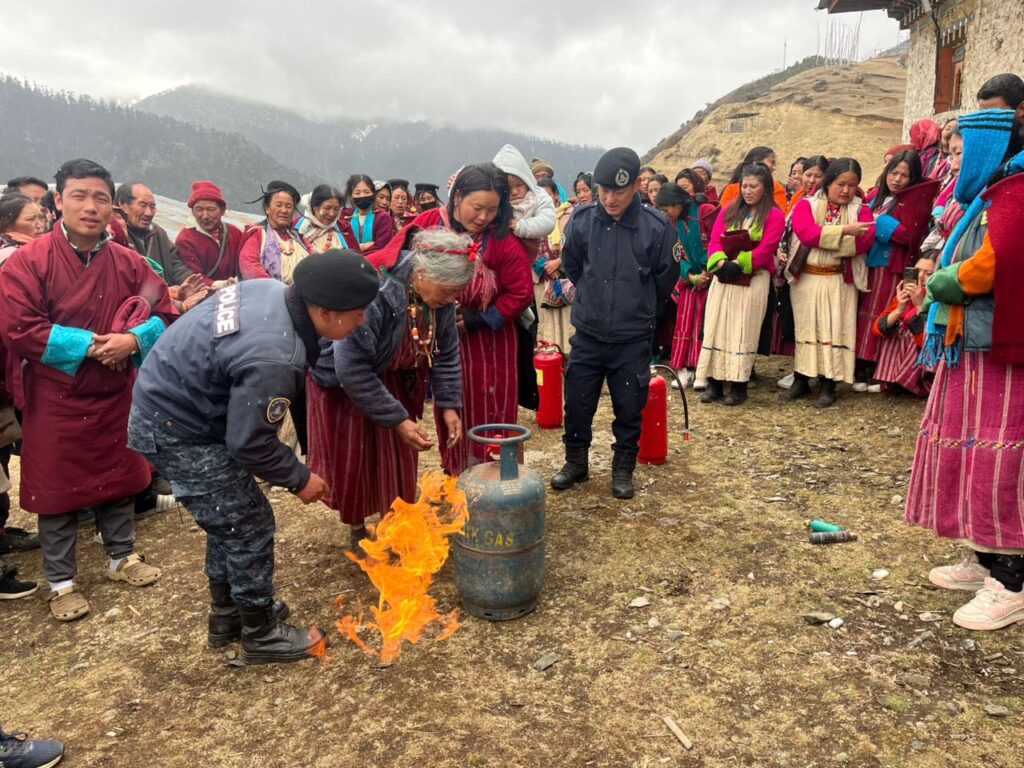
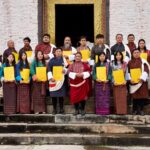
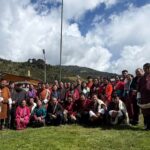
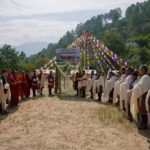
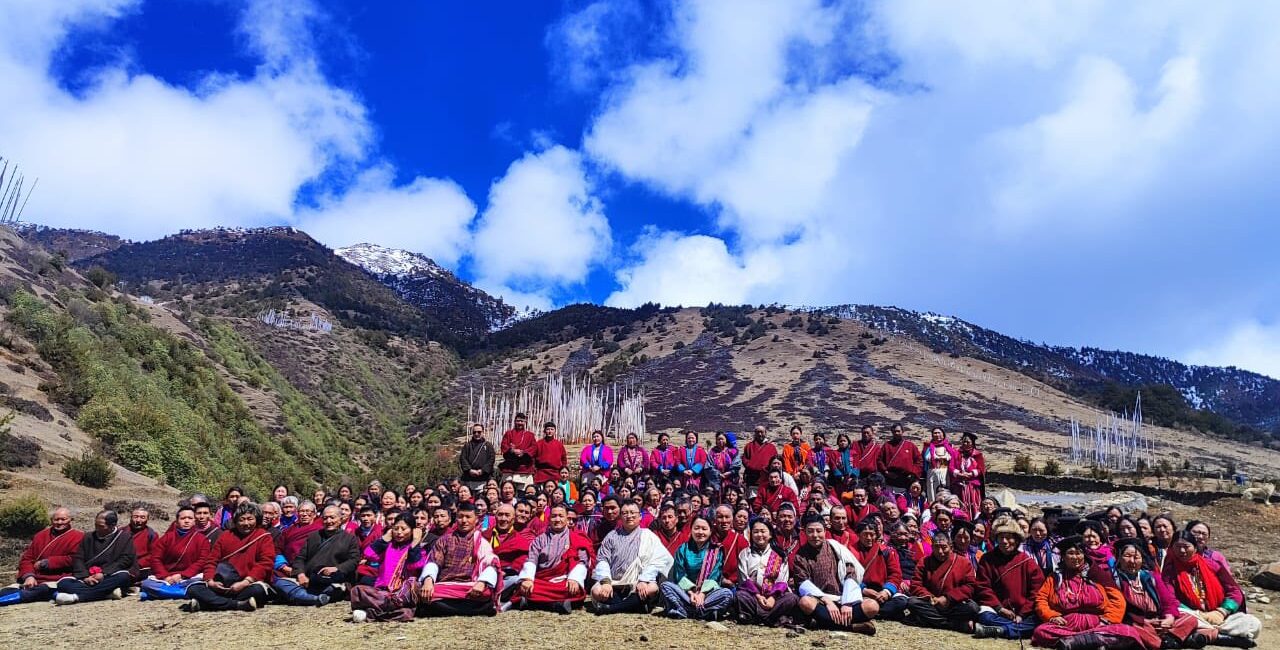
From 23–25 March 2025, Khatoe–Khamoed Goengo village became a living classroom as the Department of Local Governance and Disaster Management (DLGDM), in partnership with the Dzongkhag Administration, Trashigang, rolled out the Community Based Disaster Risk Management (CBDRM) and Community Action for Disaster Response (CADRE) programmes. The focus was simple yet urgent: equip communities before disaster strikes.
What followed was more than a training—it was a collective awakening. Over 160 villagers came together, united by a shared purpose: to protect their homes, families, and future. They explored the realities of earthquakes, fires, floods, and windstorms—not as distant possibilities, but as risks they could now understand and manage.
Through practical sessions, participants learned fire safety techniques, basic first aid, and casualty response skills—tools that can mean the difference between loss and survival in times of crisis. Yet the programme went further, placing knowledge directly into the hands of the people. Villagers charted their own hazard maps, identified vulnerable zones, and crafted evacuation plans suited to their unique landscape.
At the heart of it all was ownership. The community didn’t just learn—they designed their own Community Disaster Management Plans (CDMPs), ensuring that solutions were not imposed, but created, understood, and embraced locally.
The success of the programme stands as a testament to the dedication of local leaders, facilitators, and every individual who took part. It reflects a growing recognition that resilience is strongest when built from the ground up.
In Merak, preparedness is no longer an abstract concept. It is becoming a way of life—one that promises a safer, stronger tomorrow for generations to come.